Speculative Artifact

ON THE CURATOR
Andrew Michael Sloane (Curator, SLOANEHOME) is a Production Designer for Film + Television.
Sloane’s career was forged inside the machinery of studio comedy during the rise of prestige streaming, though his deeper authorship was shaped elsewhere: in the villages, lake towns, gardens, and fading civic landscapes of Upstate New York. While helping define the visual worlds of some of television’s most successful comedies, his private work remained rooted in historic houses, abandoned Main Streets, spiritualist history, municipal architecture, old movie palaces, and the ceremonial memory of small-town America. That tension between commerce and authorship remains central to his practice. Hollywood taught him scale, discipline, and spectacle; Arcadia gave him atmosphere, memory, and the visual language beneath his own name.
Over the last decade, Sloane has contributed to defining series of the modern television era, including HBO’s Succession, Insecure, Silicon Valley, and Rap Sh!t. Working across soundstages, backlots, practical locations, and digitally integrated environments, he became known for spaces balancing visual wit with architectural precision, helping expand comedy into something increasingly cinematic and emotionally textured.
His work frequently occupied the threshold between entertainment and emerging technology. While working within the Art Department on Silicon Valley, he helped coordinate an early placement of AI-generated artwork in mainstream narrative television through the integration of AICAN, years before artificial intelligence became a dominant cultural force. Around the same period, he also helped introduce robotics from Boston Dynamics into prestige television, reflecting an early recognition that synthetic imagery and automation would become central to visual culture.
Today, Sloane’s practice extends beyond production design into a broader body of work spanning interiors, objects, archives, writing, and cinema. Through SLOANEHOME, Studio Sfumato, and The Arcadian.org, he is building a network of artisans, painters, carpenters, cinematographers, historians, composers, and designers working against the flattening effects of algorithmic culture. His work argues for a return to atmosphere, authorship, and place: the belief that environments still shape identity, that memory can be designed, and that art remains one of the few ways meaning can survive beyond commerce.
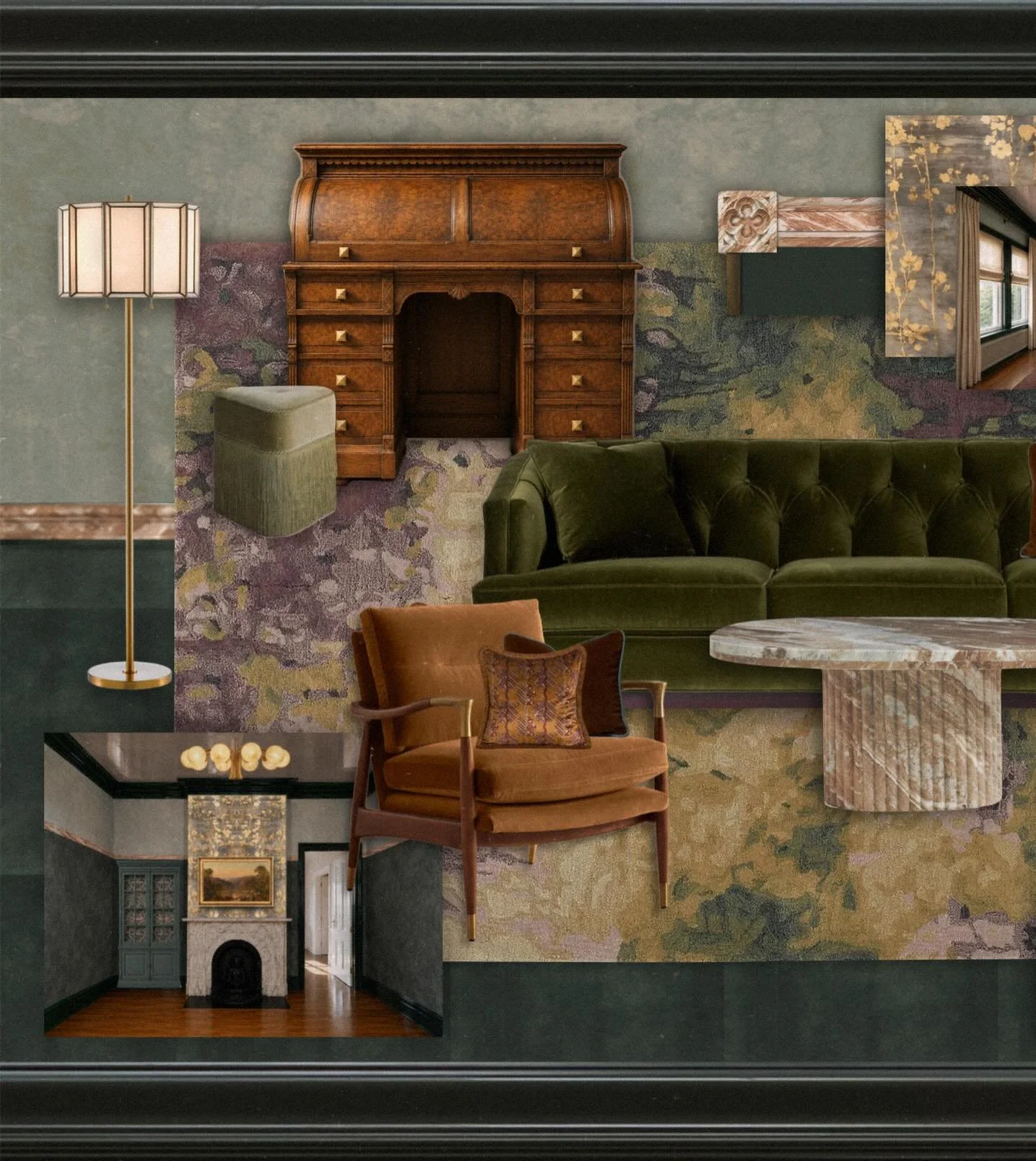
This perspective informs the work of SLOANEHOME, where the home is approached not simply as a designed interior, but as a stage on which daily life unfolds and history accumulates. The filmic portfolio of Andrew Michael Sloane can be viewed in part at andrewsloane.com