


DOMESTIC STUDY 001
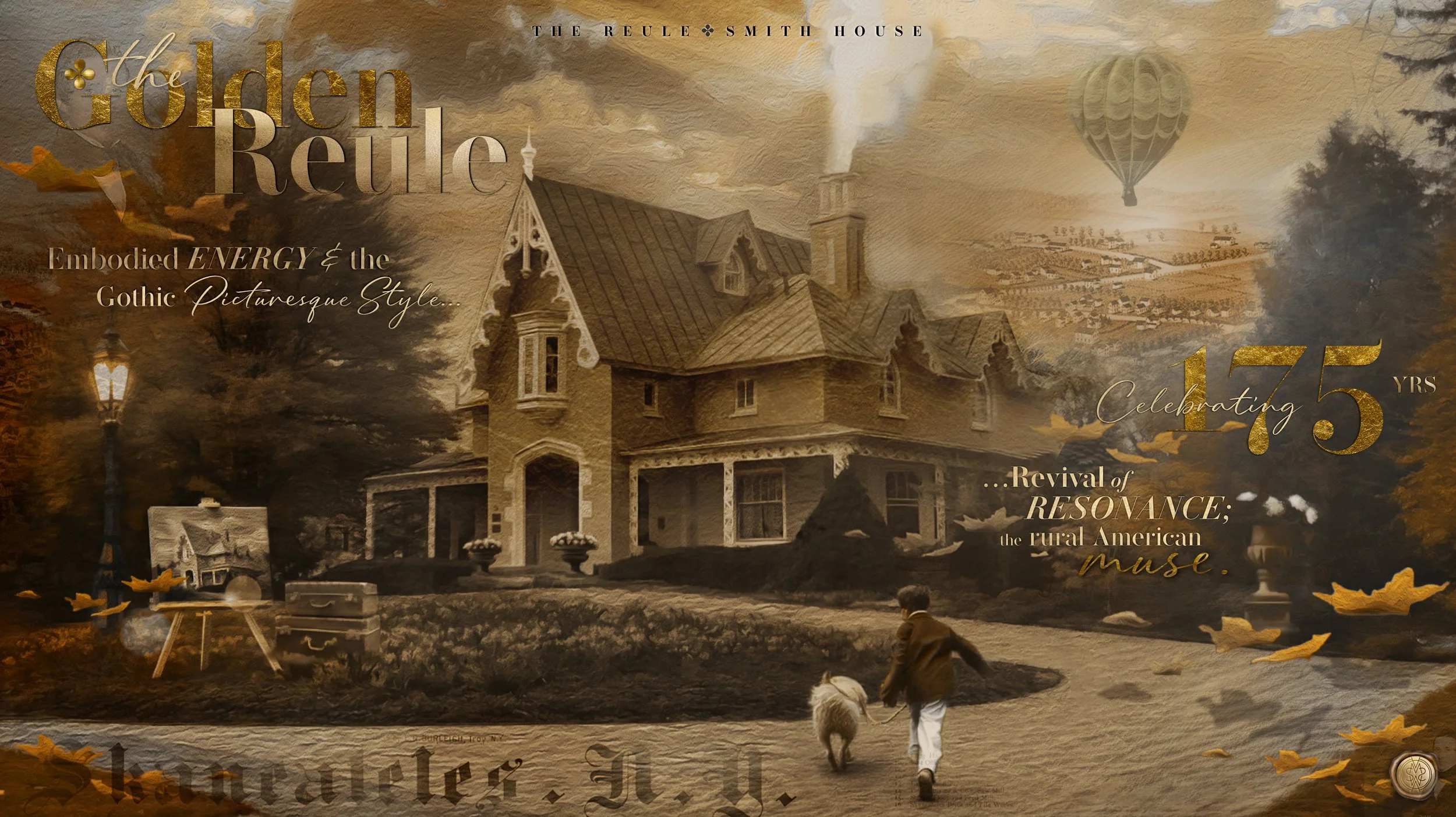
THE FIRST STORIED INTERIOR.
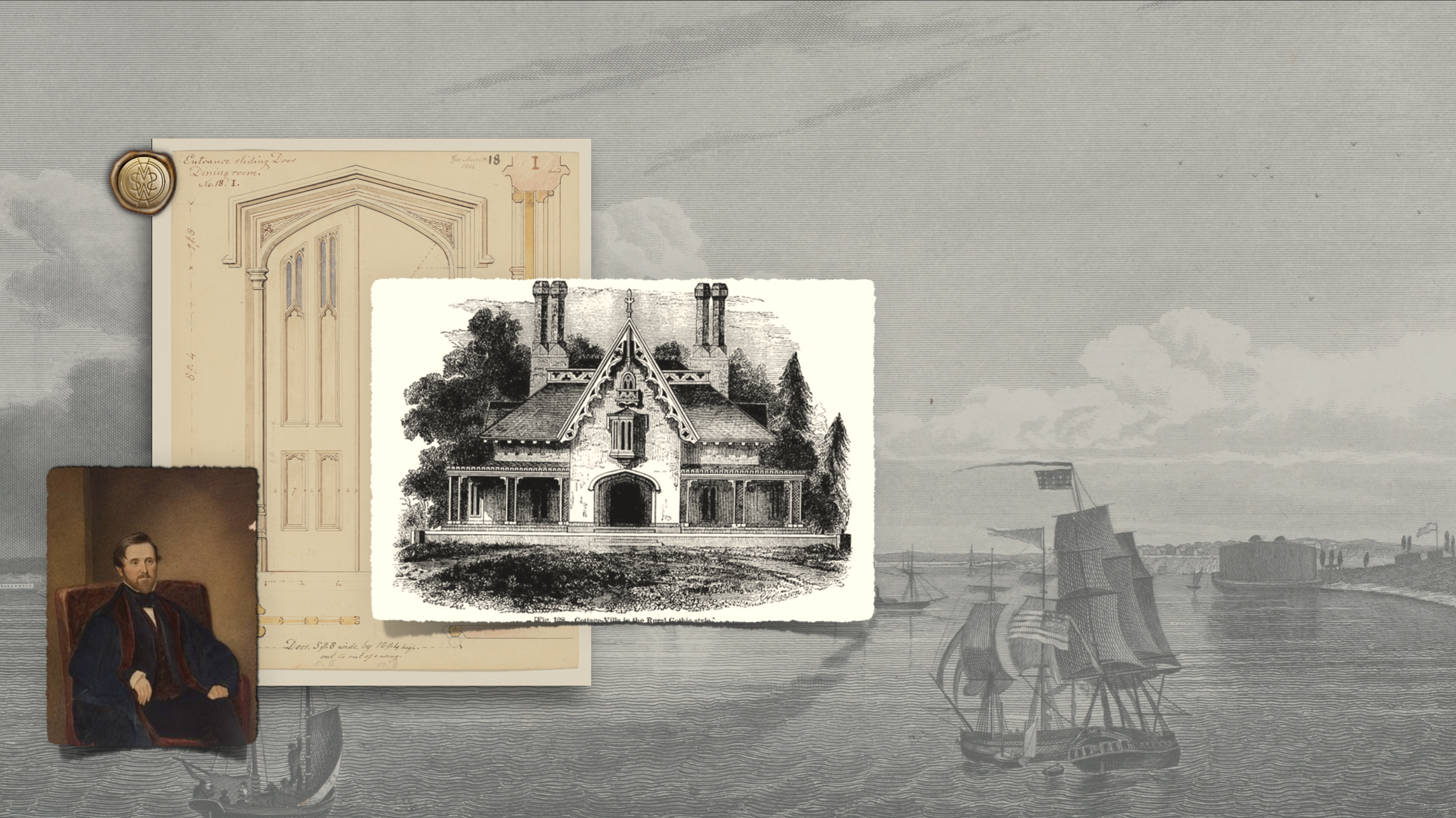
The Gothic Revival and the broader movement known as the Picturesque emerged in the nineteenth century as a response to the early industrial transformation of the landscape. Architects and theorists such as Alexander Jackson Davis and Alexander Jackson Downing sought to restore a sense of beauty, atmosphere, and emotional connection to place at a moment when mechanization threatened to reduce the built environment to pure utility. Their work argued that architecture could cultivate a deeper relationship between landscape, domestic life, and the human imagination. Nearly two centuries later, the cultural conditions that produced that movement appear again in altered form. As contemporary life becomes increasingly shaped by technological acceleration and digital abstraction, a renewed attention to craft, locality, and the human hand has begun to re-emerge across the creative disciplines.
The work undertaken through SLOANEHOME proceeds with an awareness of this historical echo. The study and restoration of the Reule-Smith House, a Gothic Revival residence designed by Alexander Jackson Davis in the region that shaped his early picturesque vision, becomes both an architectural project and a reflection on the cyclical nature of cultural memory. Documented through Archive Box 01 — The Golden Reule, the interior study records the materials, palettes, and observations through which the house is understood and interpreted in the present moment.

The completion of this first study is intended to benefit local historical institutions as it progresses. The occasion will coincide with the preparation of an updated volume on the architecturally significant homes of the village. The previous guide to Skaneateles’ historic architecture inadvertently omitted the Reule-Smith House, and the work documented through the archive thus quietly restores the house to the architectural record of the community. In doing so, the project establishes a framework through which future interior studies may be undertaken in dialogue with the village itself. Each year, SLOANEHOME may select a new residence for study, pairing architectural research, restoration, and public presentation with a corresponding archival volume and community benefit.
With this intent, the archive becomes more than a record of design work; it becomes a living document of place. What begins with a single house and a single table in Skaneateles suggests a broader framework in which domestic architecture, local histories, and cultural memory may be studied together through the archive itself. Rooted in its own landscape and architectural lineage, the work remains specific to place while contributing to a larger record of domestic life.

Supporting studies, manuscripts, and archival records pertaining to this work are maintained through thearcadian.org
EMBODIED ENERGY…
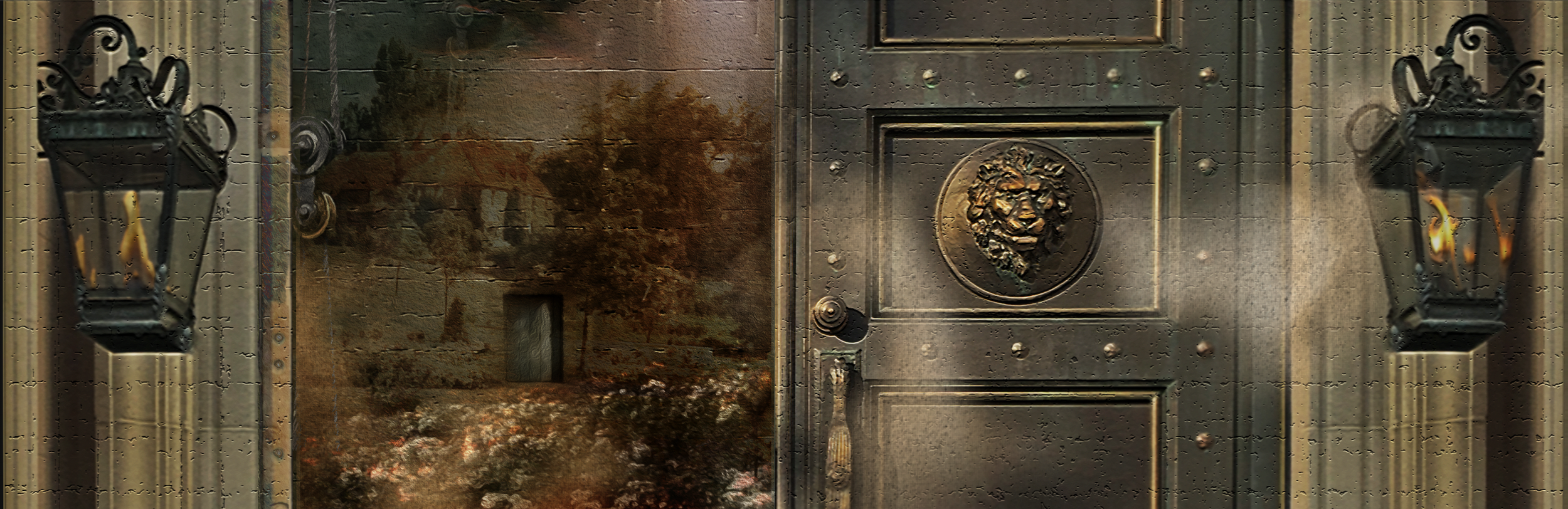
In historic preservation and architectural salvage, “embodied energy” refers to the total energy already invested in a building, material, or object through its extraction, manufacture, transportation, and construction over time. Rather than viewing an existing structure as obsolete simply because it is old, the concept recognizes that historic buildings contain immense accumulated labor, material resources, and environmental cost that would be lost through demolition and replacement. Salvaging and restoring historic elements — whether timber, stone, plaster, millwork, or architectural hardware — preserves that embedded expenditure while reducing the need for new manufacturing and extraction. Thus, preservation is not only cultural stewardship, but a form of environmental continuity: an acknowledgment that the greenest building material is often the one that already exists.